Location: Ramrao Adik Institute of Technology (RAIT), Navi Mumbai
Program: Advanced Internet Operations Research in India (AIORI)
Associated Partner: Internet Society – India Kolkata Chapter
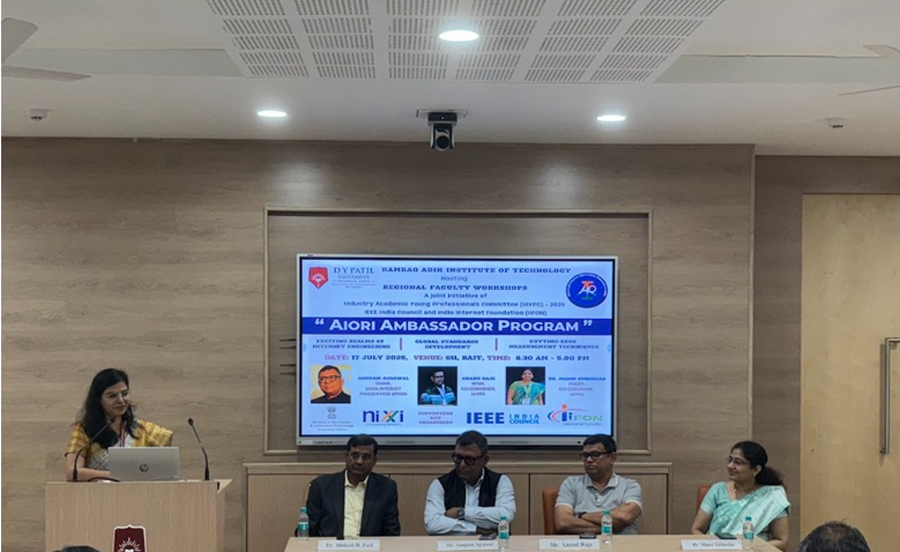
On July 17, 2025, the Ramrao Adik Institute of Technology (RAIT) campus, a premier institute under Dr. D. Y. Patil Vidyapeeth in Navi Mumbai, was the venue for an event that changed the paradigm. The institution was the host for a workshop organized by the Advanced Internet Operations Research in India (AIORI) program which was a very detailed and well-thought-out program to considerably upgrade the awareness and technical skill of Internet Standards, measurement practices, and the digital infrastructure. This successful event acted as a vital bridge, connecting academic knowledge with the pressing needs of real-world internet research. It brought together eager students and dedicated faculty with leading experts in the fields of governance, performance measurement, and global standardization. In addition to RAIT, various institutions across Navi Mumbai and the Mumbai metropolitan region—such as Pillai HOC College of Engineering, PHCET, AITKC Panvel, Dr. K. M. Vasudevan Pillai Campus institutions, Sardar Patel Institute of Technology, Don Bosco Institute of Technology, K. J. Somaiya Institute of Technology, LTCE, SIES Nerul, Terna Engineering College, and IIT Bombay—were also part of the wider academic community contributing to the collaborative environment fostered by initiatives like AIORI.
Foundational Understanding: The Internet’s Inner Workings
The whole event started with the reception session which was very congenial and concentrated, and it immediately set the mood by pointing out the core prerequisite of comprehending the network’s base design. The presenters stressed the huge advantage of taking an active part in the research, thus exhorting the students and faculty members that they should not see themselves only as end users but as future primary contributors to the net ecosphere. They further said that this original input from the academic, industrial, and core research communities could be the fruitful result of highly collaborative efforts.
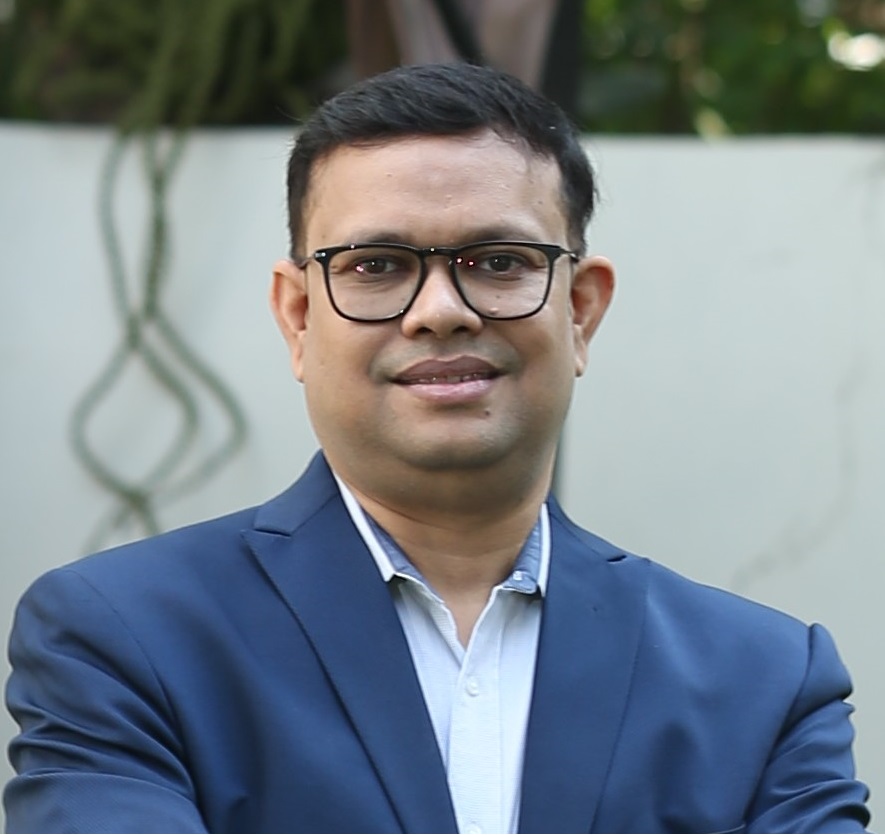
The inaugural program came to a close with the technical talk of a detailed nature by Mr. Anand Raje (Chair, Internet Society – India Kolkata Chapter) who took the lead. Mr. Raje gave a very illuminating talk about the core mission of AIORI, pointing out the most fundamental aspect of network measurement doing it very accurately. He explained the different measurements (for instance latency benchmarking, routing analysis, and packet loss monitoring) as the correct methods to point out and ultimately fix the performance of the internet all over the country.
Mr. Raje was next seen staging an elaborate workshop: the “Raspberry Pi–based AIORI Anchors.”
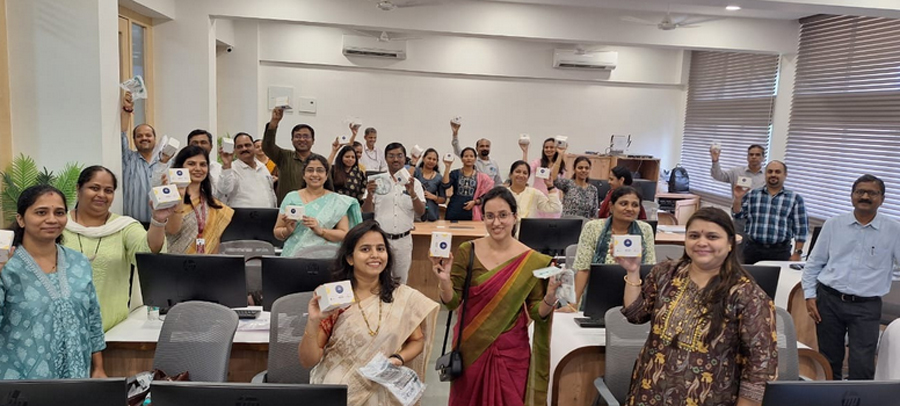
He mentioned them as small, but very efficient, tools for the production of leading-edge correct data. By showing how these little instruments are set up to send data to a national observability platform which is a very important resource for making the right policy and getting the most out of the infrastructure, he convinced the audience. As a result of this action, 25 Pi Anchors in total were set up to create very important measurement points that would facilitate a continuous flow of research and monitoring of performance.
Data-Driven Governance and Community Engagement
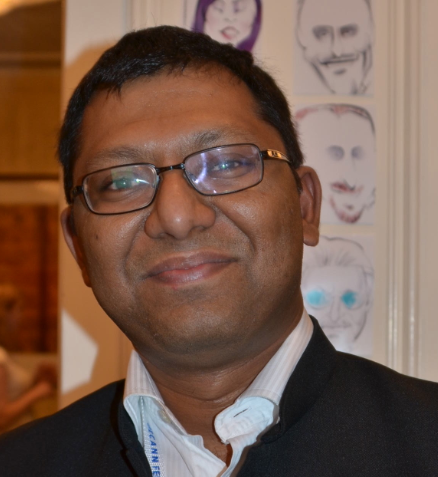
After the comprehensive technological exploration, a landmark program was held on the importance of the measurement data topic in the Internet Governance area. The point was made by Mr. Amitabh Singhal in his session that the very basis for wise decisions at the national and institutional levels is the reliable data. Mr. Singhal goes on to say that sticking to international standards and accomplishing the digital policy goals is a matter of strong, far-reaching, and very comprehensive evidence, not just technical analysis, thus, stressing the requirement of thorough measuring.
Later on, Mr. Anupam Agrawal (Chair, IIFON) was seen energizing the room with a MFA session detailing the “AIORI Ambassadors program” and hackathon orientation. This particular meeting had been called to energize the attendees by explaining how students and faculty members could be AIORI active agents, do the national hackathon, research tasks, and so forth. Mr. Agrawal talked about collaboration, innovation, and being ahead of the pack in your documentation and community awareness efforts, henceforth, positioning the attendees as key internet development advocates.
From Theory to Practice: The AIORI Anchor Demonstration
A bit later, Mr. Anand Raje makes a comeback with his practical, on-the-spot, and very well-attended technical session which is a highlight for many attendees. He painstakingly went through the stages—how the setup was done, how it was working, and the actual recording process for the data from the Raspberry Pi measurement nodes. He practically showed the way the information collected here is very quickly brought together, worked on, and finally shown in the AIORI dashboards.
This convincing, very direct session leaves little or no room for doubt, and was the main reason why so many students realized how their active role in a university project can yield a very concrete result, a national-scale infrastructure project, thereby directly linking theory with practice. They got a clear, practical way of their skill proper application in performance enhancement.
Shaping the Global Internet: Engagement with the IETF
Another key technical session focused on engagement with the Internet Engineering Task Force (IETF). Led by Mr. Anupam Agrawal, this session offered crucial insights into global standardization efforts. Mr. Agrawal explained how participants, even from a university setting, can contribute to shaping the protocols that govern the internet worldwide. This segment was instrumental in bridging local academic learning with international best practices and community-driven protocol development, exposing students to the highest level of global internet engineering.
The comprehensive workshop concluded with a reflective closing session and a formal certificate distribution ceremony, providing a sense of closure and acknowledgment for the participants’ active contributions. The enthusiasm demonstrated throughout the day strongly reaffirmed the powerful impact of AIORI’s core mission: to educate young engineers about Internet Standards and to empower them with the tools and knowledge required to take a meaningful part in building India’s robust digital future.
A Partnership for Digital Advancement
The deployment of the AIORI Anchors at RAIT symbolized the tangible, practical application of the knowledge imparted. It provided students with concrete tools to understand complex network behavior and contribute valuable data to a national research-grade framework that directly strengthens internet performance, policy, and accessibility for all.
As an Associate Partner, the Internet Society – India Kolkata Chapter takes immense and justifiable pride in supporting this forward-looking initiative. Our active involvement, guided by the Internet Society’s global mission to advance the open development, evolution, and use of the Internet, aligns perfectly with AIORI’s strategic goals of fostering technical capacity and open standards participation within India. We sincerely appreciate the leadership of AIORI and the India Internet Foundation, the dedication of the distinguished speakers, and the enthusiastic participation of the faculty and students of Ramrao Adik Institute of Technology for making the workshop a resounding success. This transformative educational experience successfully empowered students to bridge academic learning with real-world measurement, governance, and standardization initiatives, reaffirming our commitment to continuing collaboration with AIORI to strengthen the digital ecosystem through targeted research, sustained innovation, and community-driven participation.