Location: Sri Sri University, Bhubaneswar
Program: Advanced Internet Operations Research in India (AIORI)
Associated Partner: Internet Society – India Kolkata Chapter
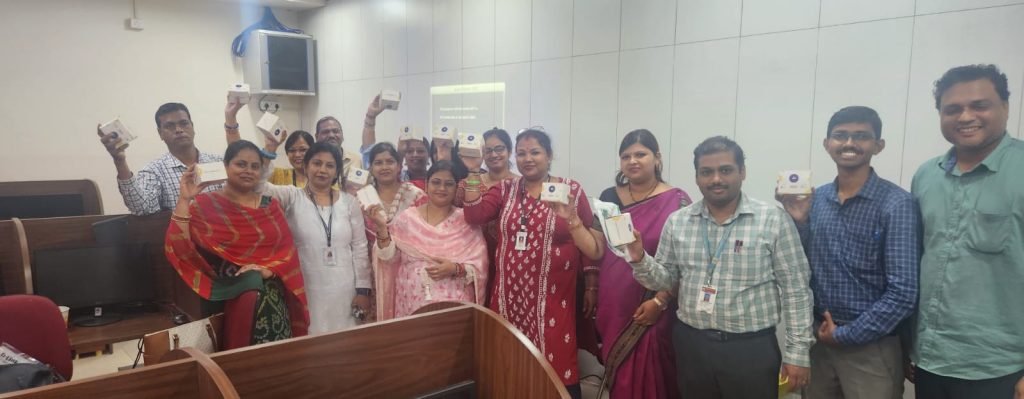
On August 4, 2025, Sri Sri University in Bhubaneswar successfully hosted an impactful AIORI Regional Faculty Workshop. This was another successful step in AIORI’s nationwide effort to raise awareness, improve technical skills, and encourage participation in Internet engineering and standards development. The workshop was made better by the presence and support of many institutions from Odisha, including Trident Academy of Technology, Gandhi Institute of Excellent Technocrats, Siksha O Anusandhan University, Ravenshaw University, DRIEMS University Cuttack, Gitam Bhubaneswar, Suddhananda Engineering & Research Centre, the Institute of Professional Studies and Research, GIET Gunupur, Stewart Science College, and Centurion University of Technology and Management. Their participation showed that the region is truly dedicated to fostering technical advancement and making sure that students from all around India feel involved in the country’s fast-paced digital journey.
The Advanced Internet Operations Research in India (AIORI) program put on this event to continue its main goal of giving academics and students the tools they need to be active participants in the ever-changing global Internet environment. The workshop did a great job of bringing together top technical experts, eager young innovators, and respected academic leaders to help everyone better understand how India can strategically strengthen its technical presence in important global standardisation groups like the Internet Engineering Task Force (IETF). The large number of students and teachers from different departments who showed up showed how committed the university is to promoting technology progress and getting involved in national digital capacity-building projects.
Fundamentals and Future Protocols
Mr. Anand Raje (Chair, Internet Society – India Kolkata Chapter) did an excellent job of leading the first technical session, which was a key part of the day. His talk on AIORI and Internet Engineering taught the people who attended the basic rules that govern the structure, basic operation, and necessary security of the internet as a whole. The conversation fully covered the importance of Internet standards, improvements in routing, and basic DNS operations. Mr. Raje’s ability to make complicated subjects, like the process of Request for Comments (RFC) development, very simple made the session quite interesting. This talk sparked a lot of enthusiasm among students to look at research contributions in areas where India has a lot of untapped potential but isn’t well represented in global forums right now.
After this, the workshop smoothly moved on to an interesting session led by Mr. Anupam Agrawal (Chair–IIFON), who talked about “AIORI Ambassadors” and the inherent significance of student-led technical leadership. He talked about crucial things that would happen at the AIORI 2 Hackathon and made it apparent how young people may become involved in Internet research and be recognised for their work. He stressed how important it is for technical leaders to be curious, work together, and keep growing their skills.
The event went on with important talks that included various stakeholders, showing how AIORI’s statewide project is based on working together. Speakers highlighted the main point that digital growth that lasts can only happen when academia, industry, and the policy ecosystems work together. The MeitY and NIXI parts of the program added even more by talking about national digital governance projects and the country’s attempts to make digital systems more resilient. This guaranteed that the technical knowledge of the participants was in line with the country’s larger digital aims and strategies.
Practical Tools and Global Standardization
Mr. Anand Raje led another high-energy technical session in the afternoon, this time showing the AIORI platform in great detail. He showed off the platform’s technology backbone, specialised research tools, and how advanced Internet operational research can be used in real life. He explained exactly how the platform helps future Internet engineers, protocol designers, and digital infrastructure executives by giving them real-world examples of how networks work and change. The use of 21 AIORI Anchors made the session much more relevant. They allowed institutions across Odisha to feel profoundly engaged in a shared national measuring endeavour. This gesture improved both technical skills and community spirit.
The IETF session came after this practical session. It was an important part of the event that was meant to encourage international participation. People learnt about the systematic way that the IETF shapes the worldwide Internet. The lecture made it very apparent why RFCs are important and how students and academics may get involved by writing drafts and working together in IETF working groups. This part strongly urged people to look at the IETF as a real place where their technological ideas and breakthroughs might have a direct impact on global technologies and standards.
A Commitment to Technical Empowerment
At the end of the workshop, there was a moment for reflection and the official giving out certificates. The Associate Partner of the Internet Society – India Kolkata Chapter received a special thank you. Our direct involvement, which was always driven by the Internet Society’s goal of encouraging the open development and constructive use of the Internet, was a fundamental reason why the Bhubaneswar workshop went off without a hitch and had a big effect. Our hard effort and support made the event better and showed how dedicated we all are to training the next generation of essential contributors and engineers.
The AIORI Workshop at Sri Sri University successfully continued the program’s principal goal of raising awareness, strengthening technical skills, and creating a strong pipeline of student innovators who are ready and qualified to contribute with national and worldwide Internet standardisation activities. The whole event made it very clear how crucial it is to build an academic ecosystem that is both technically sound and connected to the rest of the world.