
CU Lab Inauguration

Strengthening India’s Internet Research Ecosystem Through Academia–Industry Collaboration The India Internet Foundation (IIFON) proudly announces the inauguration of the Advanced Research Laboratory on Internet Research Network at Chandigarh University, established in collaboration with the AIORI Project and the National Internet Exchange of India (NIXI). This milestone represents more than the launch of a laboratory. It […]
Solution report blog — Tech-sam
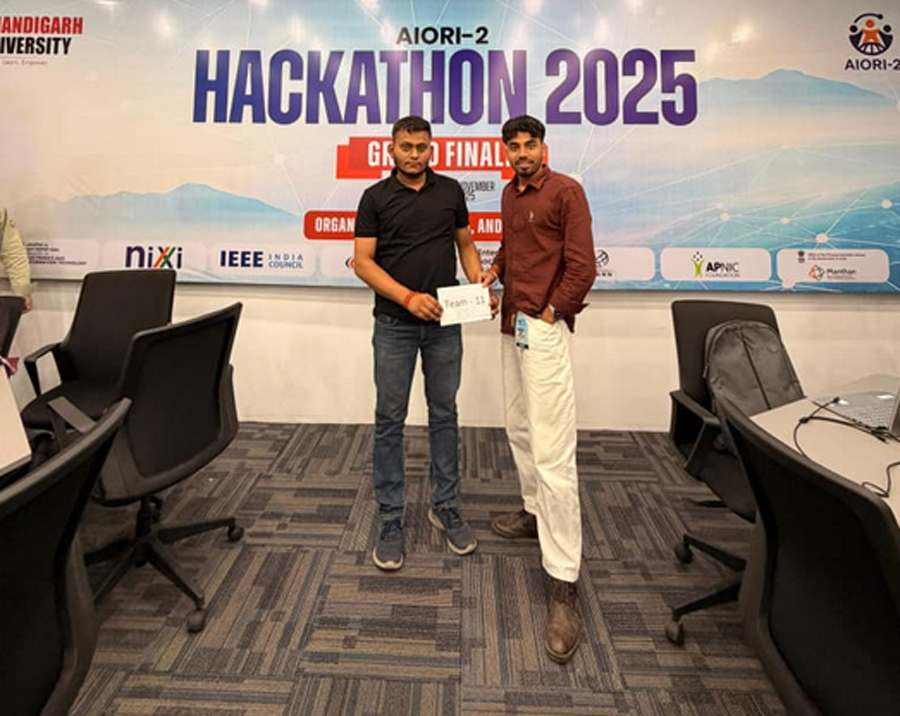
In the ever-accelerating race for internet speed, the “last mile” of performance often hides in the DNS resolution process. During the AIORI-2 Hackathon, our team from Sharda University tackled this bottleneck head-on. We didn’t just build a resolver; we engineered a Hyperfast DNS Load Balancer that leverages the parallel processing power of the AWS Cloud […]
Solution report blog — geosthira

Static IP geolocation databases are becoming the dial-up modems of the modern web: outdated, inflexible, and often wrong. During the AIORI-2 Hackathon, Team GEOSTHIRA from the Vemana Institute of Technology set out to build a smarter alternative. We developed the GEOSTHIRA IP GEOLOCATOR, a supervised machine learning system that maps IPs to cities by analyzing […]
Solution report blog — Code Crafters
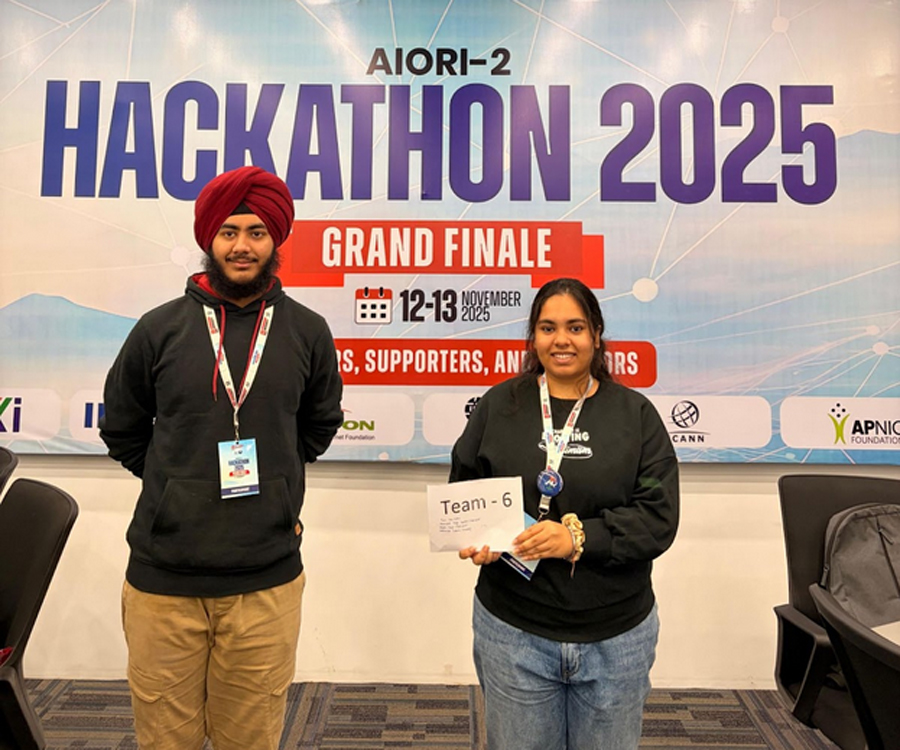
While the digital locks protecting the Internet’s directory service (DNSSEC) are robust today, they are built on mathematical foundations that a future quantum computer could crumble in seconds. During the AIORI-2 Hackathon, our team—Code Crafters from GNIT, Kolkata—took a proactive leap into the future. We built a unified benchmarking framework to see how “Quantum-Resistant” algorithms […]
Solution report blog — Ping Bot
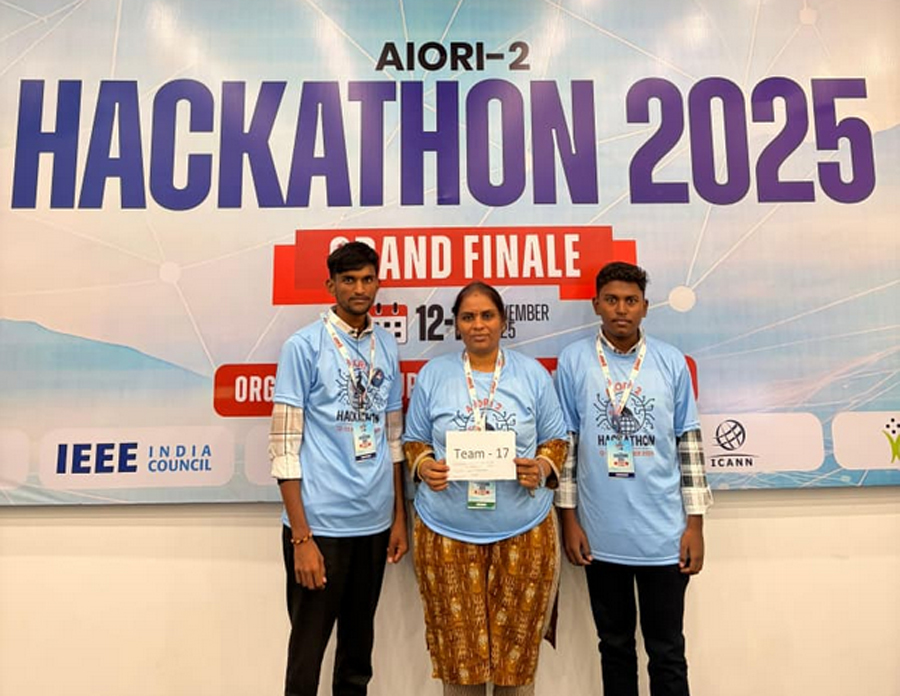
In the high-stakes world of web operations, downtime is the ultimate enemy. During the AIORI-2 Hackathon, team Ping Bot from ACE Engineering College developed a Website Health Monitor designed to move beyond simple “up/down” checks. Built on the Django framework, the system provides a deep-dive analysis of website vitality by strictly adhering to the “rules […]
Solution report blog — OrbitOps
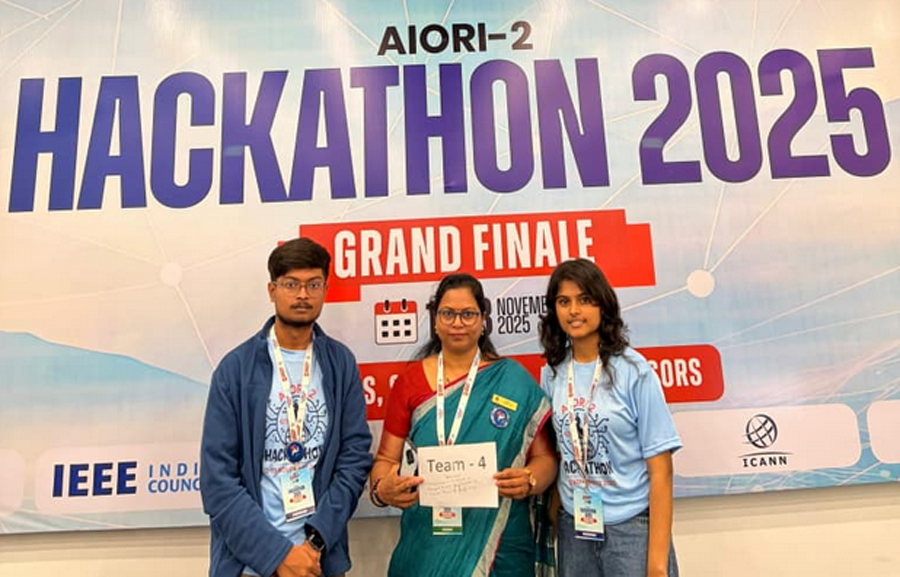
In the competitive landscape of space-based internet, the geometry of a constellation is just as important as the rockets that launch them. During the AIORI-2 Hackathon, team OrbitOps from K.S. School of Engineering and Management (KSSEM) explored how RFC 9717—the routing architecture for satellite networks—can be used to shave milliseconds off global communication paths. By […]
Solution report blog — L8NCY
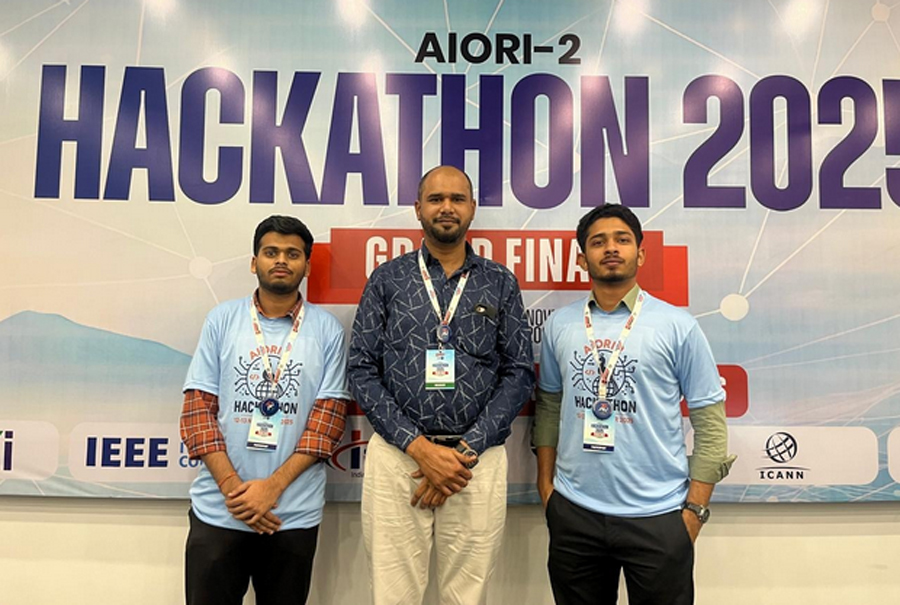
In the rapidly evolving world of cloud-native infrastructure, the choice of a Container Network Interface (CNI) is the difference between a high-performance cluster and a latent one. During the AIORI-2 Hackathon, team L8NCY from Christ University, Bengaluru, took on the challenge of benchmarking Kubernetes networking using the rigorous standards of the IETF. By implementing the […]
Solution report blog — Intelligent IP
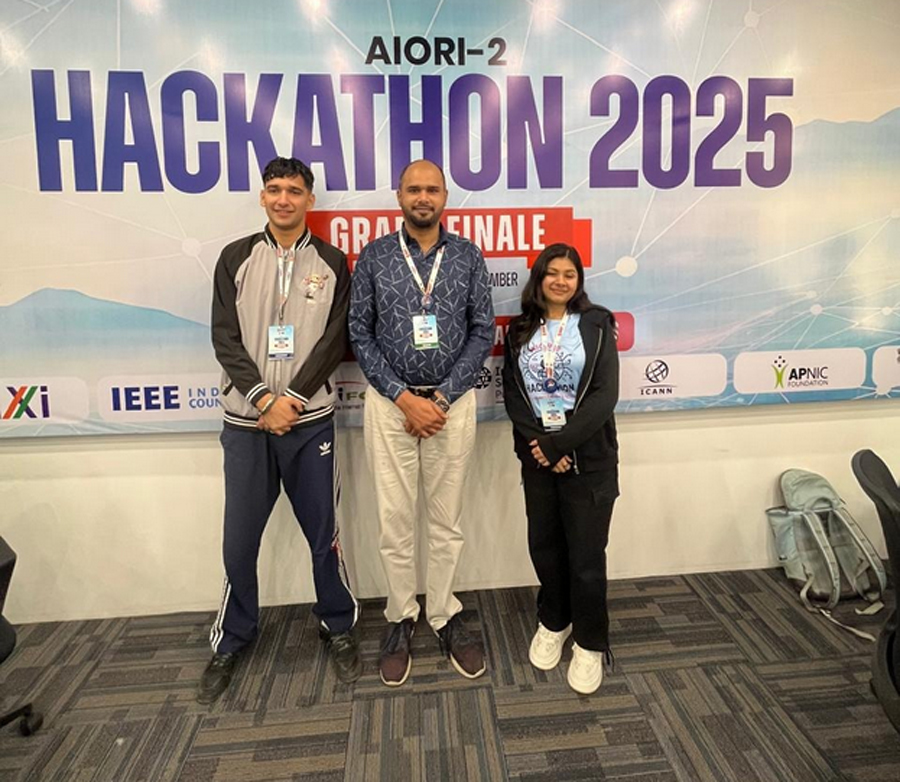
In an era where digital borders are fluid and routing table shifts are constant, understanding exactly where an IP address resides is a cornerstone of network security and performance. During the AIORI-2 Hackathon, team Intelligent IP from Christ University developed a machine-learning-driven geolocation module that moves beyond static databases by integrating active network measurements and […]
Solution report blog — SYNOVIA
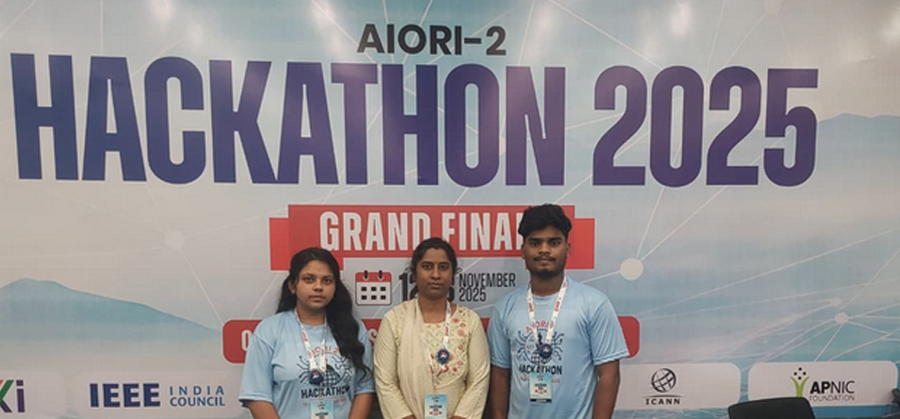
In the high-stakes environment of web operations, “knowing” a site is down isn’t enough—you have to know why and ensure the message gets through the right channel instantly. During the AIORI-2 Hackathon, team SYNOVIA from the Vemana Institute of Technology built the Website Health Monitor with Multichannel Alerts, a Django-based platform that treats RFC compliance […]
Solution report blog — Optimax
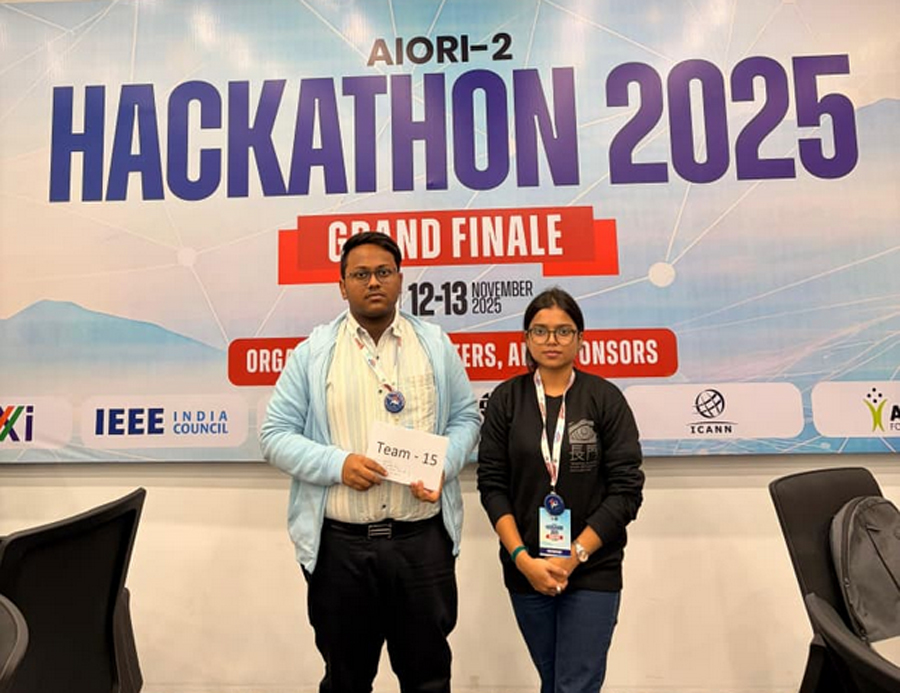
Implementing encrypted performance metrics in the Linux kernel is a high-stakes engineering feat. During the AIORI-2 Hackathon, team Optimax from Guru Nanak Institute of Technology successfully developed a working prototype for PDMv2 (draft-ietf-ippm-encrypted-pdmv2), bridging the gap between deep network diagnostics and modern privacy requirements. By moving from the plaintext metrics of PDMv1 (RFC 8250) to […]