
Solution report blog — DDos Duo
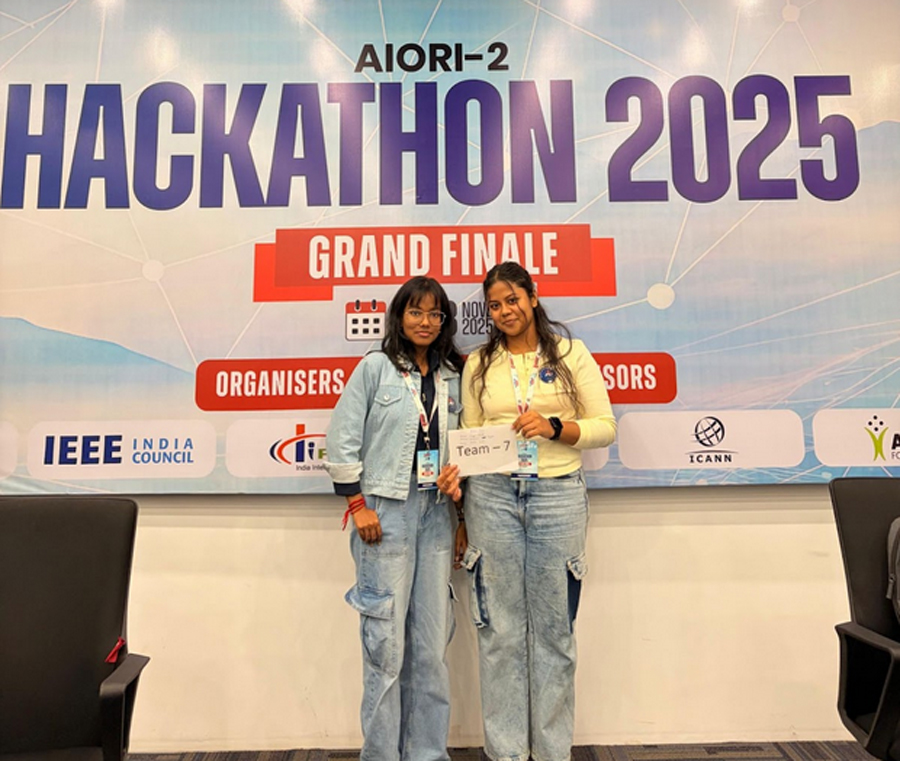
Every time you type a URL into your browser, a complex set of protocols—some decades old, some very new—springs into action to find the right IP address. During the AIORI-2 Hackathon, our team, DDos Duo from the Heritage Institute of Technology, set out to modernize this foundational process. We built a high-performance DNS Load Balancer […]
Solution report blog — Caffeine coders
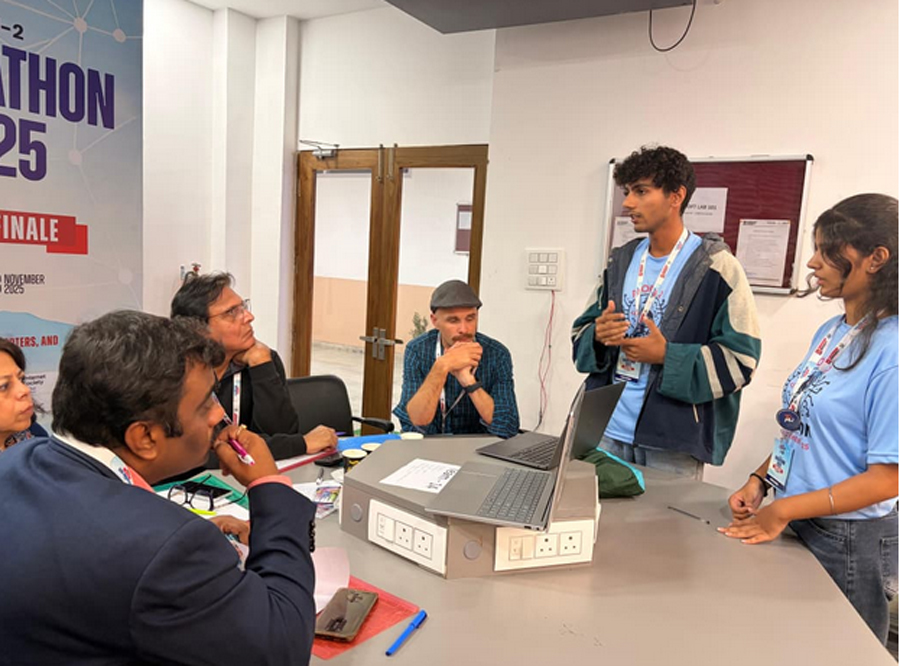
In the high-stakes world of Content Delivery Networks (CDNs), a BGP Anycast Flip—where traffic is rerouted from one Point of Presence (PoP) to another due to network failure—often results in a “cold cache” penalty. While the network finds a new path, the application layer suffers as users hit a server that doesn’t yet have their […]
Solution report blog — Wi-fighters
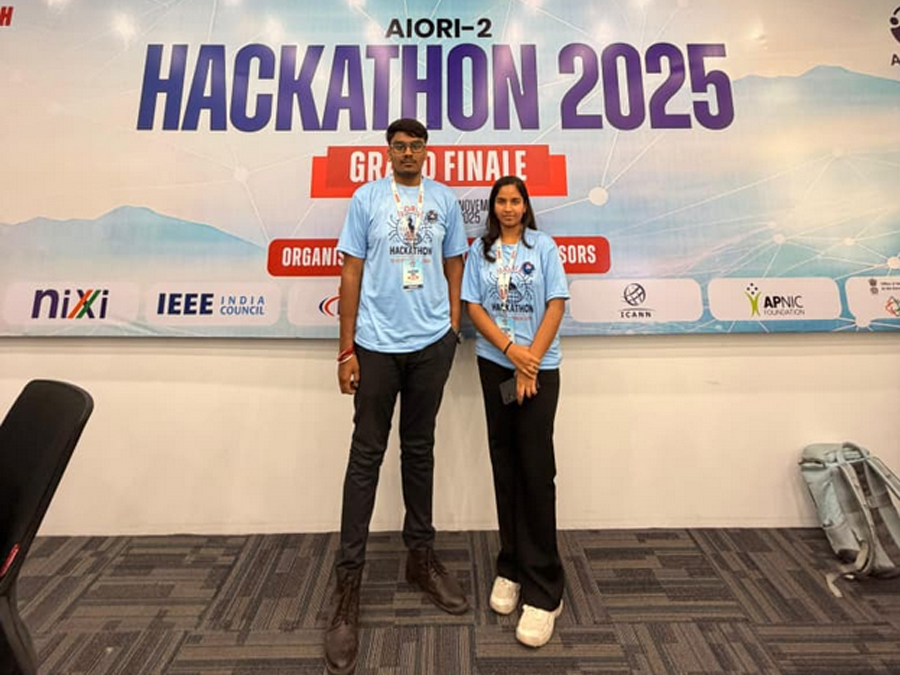
In the fast-paced environment of large-scale events, the difference between a smooth entry and a chaotic bottleneck often comes down to seconds. During the AIORI-2 Hackathon, Team Wi-Fighters from the Vemana Institute of Technology addressed this by building QR-DB: a high-speed, secure, and real-time event check-in system that moves beyond simple links to sophisticated session-token […]
Solution report blog — Network-Care
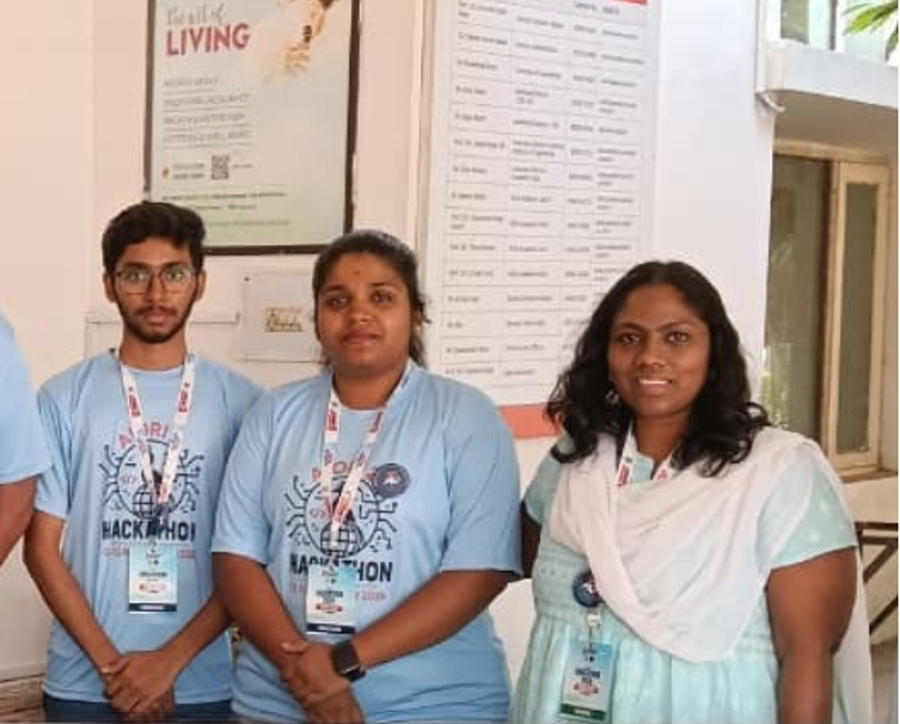
In the rapidly evolving landscape of global connectivity, Low Earth Orbit (LEO) satellite constellations are no longer just science fiction—they are the next frontier of the Internet. During the AIORI-2 Hackathon, team Network-Care from KSIT developed an open-source simulation framework to tackle the unique networking challenges of space: high-speed orbital dynamics and the quest for […]
Solution report blog — HexaSentinel
In the world of Internet infrastructure, an IP address is often just a number until it’s mapped to a physical location. However, static databases are notoriously brittle. During the AIORI-2 Hackathon, team HexaSentinel from the Heritage Institute of Technology developed GeoNex—a city-level IP geolocation system that moves beyond simple lookups by using Machine Learning and […]
Solution report blog — FunnyCast
In the high-stakes world of Content Delivery Networks (CDNs), the shortest path to a user isn’t a straight line—it’s a calculation. During the AIORI-2 Hackathon, our team—FunnyCast from the Heritage Institute of Technology, Kolkata—investigated a phenomenon called Anycast Flipping. By combining BGP routing logic with real-world latency modeling, we built a simulation to measure how […]
Solution report blog — DNinjaS
In the interconnected world of 2026, a single minute of website downtime can lead to significant financial loss and a breakdown in user trust. During the AIORI-2 Hackathon, team DNinjaS from IIIT Pune addressed this by building a standards-based Website Health Monitor. By synthesizing protocols for data transport, reachability, and messaging, we created a system […]
Solution report blog — ChristUniversityTeam3
Measuring the physical location of an IP address is often like trying to find a moving target in a hall of mirrors. Traditional databases are static, but the Internet is dynamic. During the AIORI-2 Hackathon, our team—ChristUniversityTeam3—tackled this by turning the Internet into a giant ruler. Using the AIORI Active Measurement Framework, we implemented a […]
Solution report blog — Byte coders
In the high-stakes environment of Low Earth Orbit (LEO) satellite networking, the “best” route is often a moving target. During the AIORI-2 Hackathon, team ByteCoders from Sharda University discovered that traditional, reactive routing simply can’t keep up with satellites moving at 27,000 km/h. By implementing the proactive architecture proposed in RFC 9717, we proved that […]
Solution report blog — Bodhi bytes
In a world obsessed with the newest “push” technologies, Team Bodhi Bytes took a different path for the AIORI-2 Hackathon. Tasked with PS-11 (QR-to-Database Real-Time Interaction), we prioritized reliability and architectural pragmatism. Our project proves that you don’t always need complex, stateful WebSockets to create a “real-time” experience; sometimes, the most robust solution is a […]